
Fire Accidents in the Middle East: Causes, Risks, and the Need for Strong Fire Safety Systems
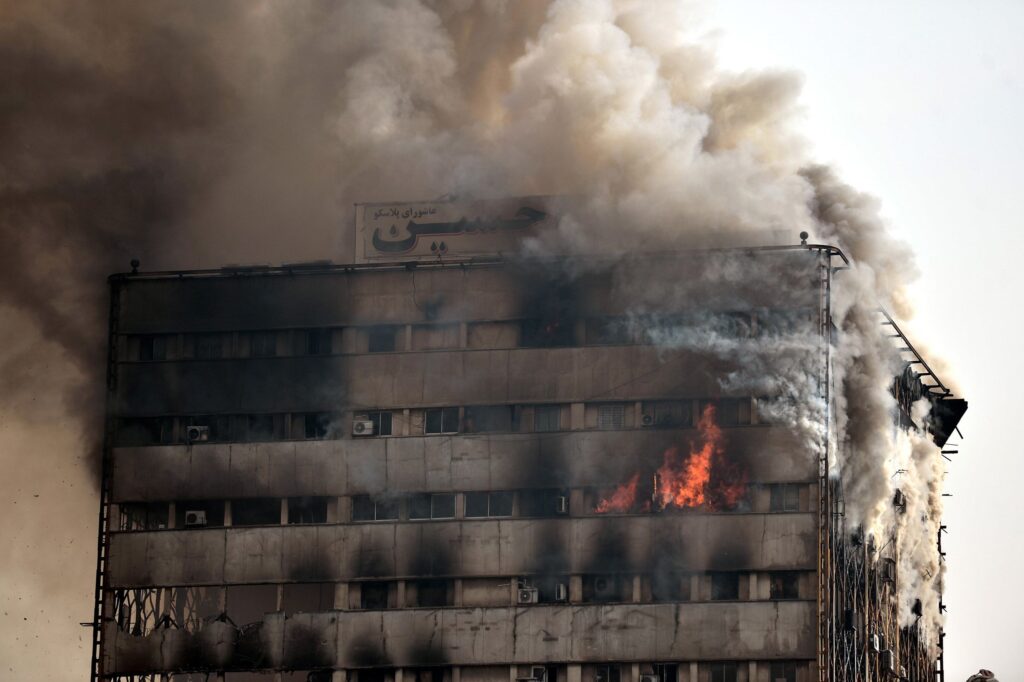
Fire accidents remain one of the most serious safety concerns across the Middle East. Rapid urban development, large-scale industrial activity, and extreme climatic conditions have increased both the frequency and impact of fire incidents in residential, commercial, and industrial environments. While governments have introduced stricter regulations, fire accidents continue to cause loss of life, property damage, and economic disruption.
Understanding the causes, challenges, and preventive measures is essential for businesses, property owners, and communities across the region.
Growing Fire Risks in the Middle East
The Middle East has witnessed massive growth in high-rise buildings, shopping malls, oil & gas facilities, warehouses, and infrastructure projects. Countries such as United Arab Emirates, Saudi Arabia, Qatar, Oman, and Kuwait have seen rapid modernization, which brings both opportunity and risk.
Key factors increasing fire hazards include:
High electricity usage due to extreme heat
Aging electrical infrastructure in older buildings
Large-scale industrial operations
Improper storage of flammable materials
Limited fire safety awareness in some sectors
Common Causes of Fire Accidents
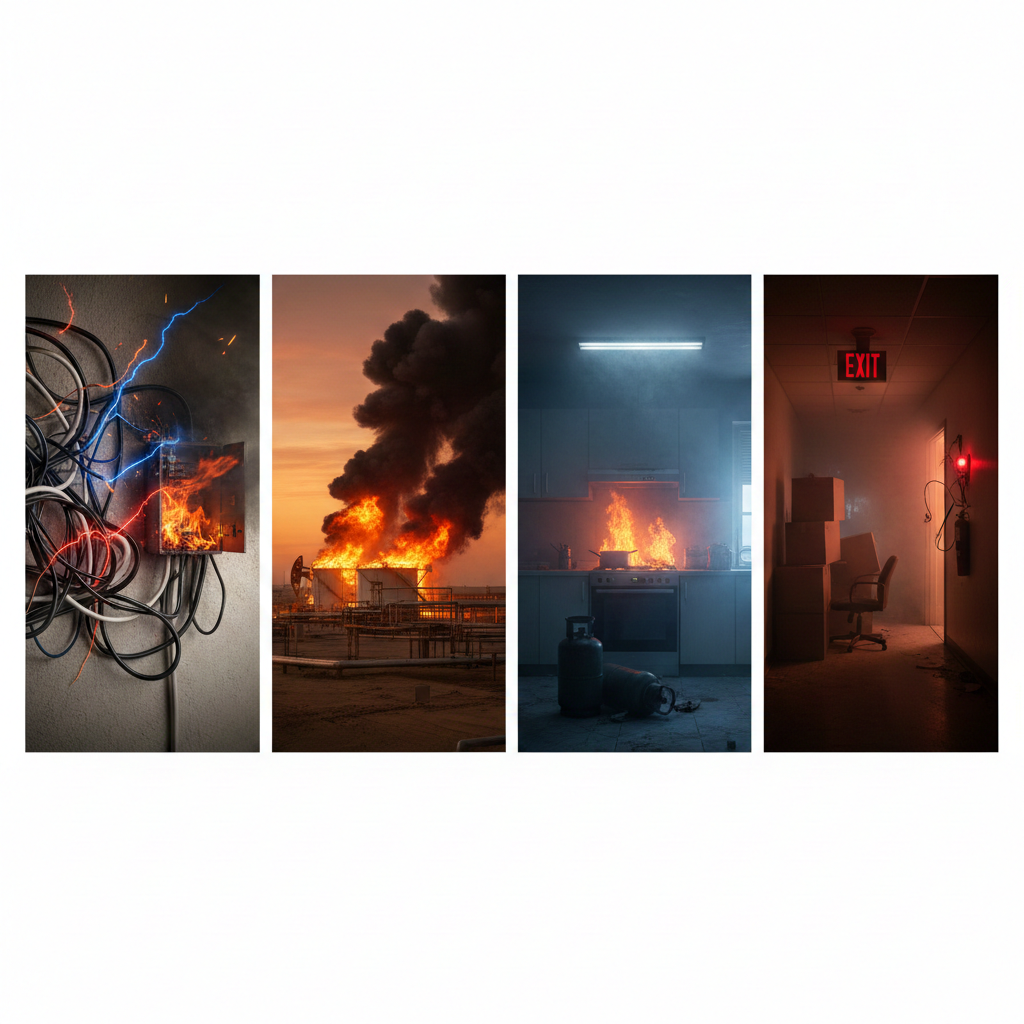
1. Electrical Short Circuits
Overloaded wiring, poor maintenance, and substandard electrical components are a major cause of fires, especially in residential and commercial buildings.
2. Industrial & Oil-Gas Related Fires
The Middle East hosts some of the world’s largest oil refineries and petrochemical plants. Even small lapses in safety protocols can lead to large-scale industrial fires with devastating consequences.
3. Cooking & Gas Leaks
In residential properties, kitchen fires and gas leakage incidents remain a leading cause of fire-related emergencies.
4. Poor Fire Safety Compliance
Blocked emergency exits, non-functional fire alarms, and lack of fire drills often worsen the impact of fire accidents.
Impact of Fire Accidents
Fire incidents in the Middle East have far-reaching effects:
Loss of human lives and injuries
Severe property and infrastructure damage
Business downtime and financial losses
Environmental damage, especially in industrial areas
Legal penalties due to non-compliance with safety regulations
High-profile incidents in towers, factories, and warehouses have highlighted the urgent need for preventive fire protection systems rather than reactive solutions.
How Al Matar Oman, AFE Capsule Helps Prevent Fire Accidents
The Al Matar Oman, AFE Capsule is an automatic fire suppression solution designed to stop fires at the source before they spread. One of the best fire extinguisher suppliers in Oman
How it works:
Installed inside electrical panels, control boxes, directly place on gas cylinder and machines
Automatically activates when fire or high temperature is detected
Releases a clean fire-extinguishing agent instantly
Suppresses fire within seconds, without human intervention
Why it is effective in the Middle East:
Works well in high-temperature environments
Ideal for residential, commercial, and industrial electrical risks
Prevents fires before alarms, sprinklers, or major damage
Requires no power, no wiring, and minimal maintenance
Real-World Prevention Impact
Many electrical fires in Oman, UAE, Saudi Arabia, Kuwait, and Qatar start inside small enclosed spaces like DB panels. Installing AFE Capsules in these high-risk areas can stop real fire accidents before they turn into disasters.
Conclusion
Fire accidents in the Middle East are often preventable. By combining fire safety awareness with early-stage suppression solutions like AFE Capsule, buildings and industries can significantly reduce fire risks, protect lives, and safeguard assets.
