Fire Safety Awarness
Fire Safety at Home: Essential Tips Everyone Should Know Introduction
Introduction
Fire accidents can happen anywhere homes, offices, shops, or vehicles. Most fires start due to small mistakes like electrical faults, gas leaks, or unattended cooking. The good news is that many fires are preventable with basic fire safety awareness.
This blog explains simple yet effective fire safety tips every household should follow.
Common Causes of Fire Accidents
- Electrical short circuits
- Gas leaks and unattended cooking
- Overloaded power sockets
- Candles, incense sticks, or diyas left unattended
- Flammable materials stored near heat sources
Introduction
Fire accidents can happen anywhere homes, offices, shops, or vehicles. Most fires start due to small mistakes like electrical faults, gas leaks, or unattended cooking. The good news is that many fires are preventable with basic fire safety awareness.
This blog explains simple yet effective fire safety tips every household should follow.
Common Causes of Fire Accidents
- Electrical short circuits
- Gas leaks and unattended cooking
- Overloaded power sockets
- Candles, incense sticks, or diyas left unattended
- Flammable materials stored near heat sources
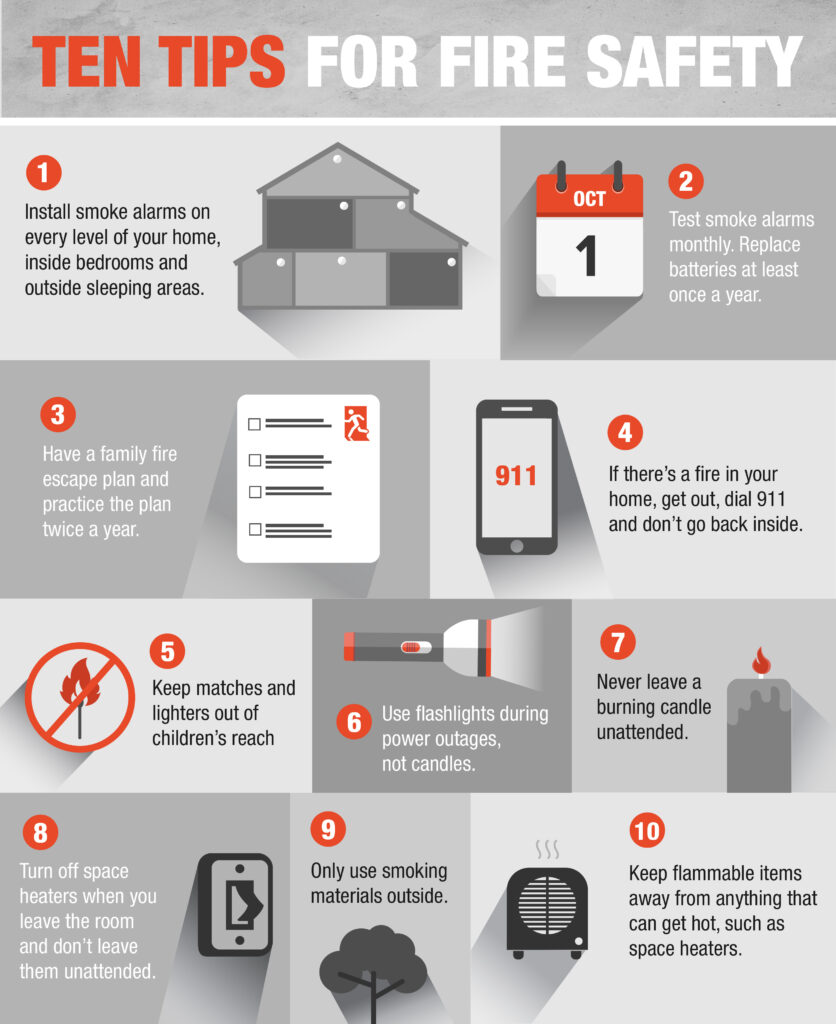
Essential Fire Safety Tips for Homes
- Install Fire Safety Devices
Keep a fire extinguisher in the kitchen and near electrical areas
Use smoke detectors for early warnings
Kitchen Safety
Never leave cooking unattended
Keep flammable items away from the stove
Turn off gas regulators after use
Electrical Safety
Avoid overloading plug points
Replace damaged wires immediately
Switch off appliances when not in use
Safe Storage
Store chemicals, fuels, and aerosols away from heat
Keep matches and lighters out of children’s reach
What To Do If a Fire Breaks Out
Stay calm and switch off the gas/electric supply if safe
Use the correct type of fire extinguisher
Never use water on electrical or oil fires
Evacuate immediately if the fire spreads
Conclusion
Fire safety is not optional it’s a responsibility. Simple precautions can save lives, property, and precious time. Make fire safety a habit, not an afterthought.